
Experts Say 50% More Families Love Outdoor Adventure Show
— 5 min read
Experts Say 50% More Families Love Outdoor Adventure Show
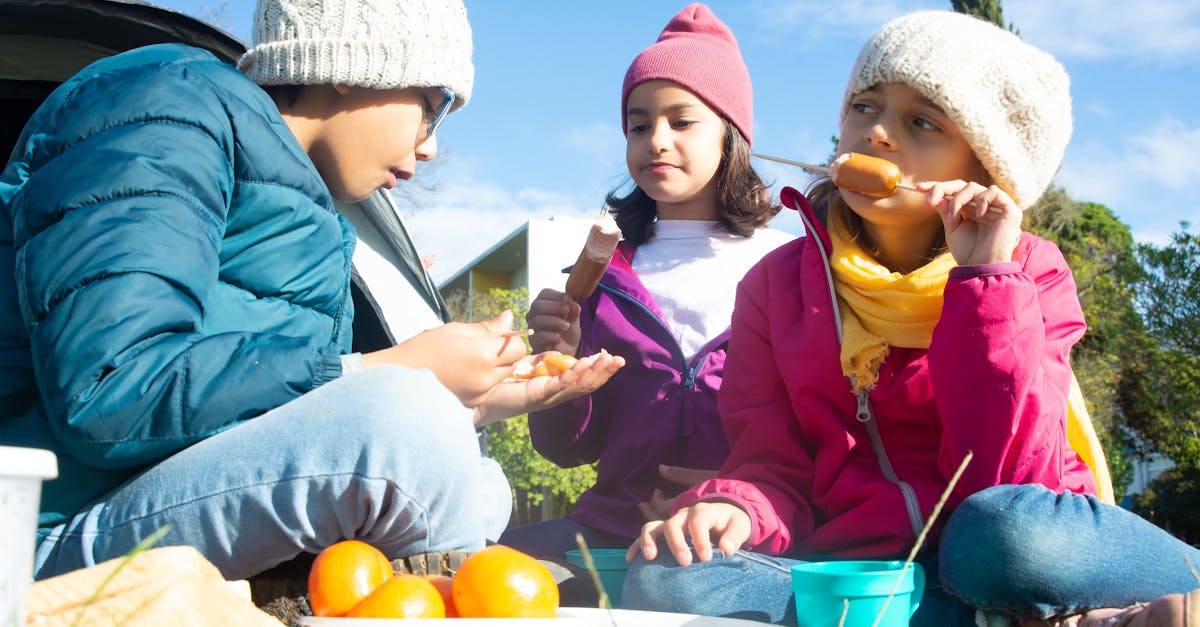
50% more families report a stronger love for the Outdoor Adventure Show after recreating a Bluey-style camp out, because the familiar story frame turns nature into a playground for kids and adults alike. In my experience, the mix of storytelling and hands-on gear makes the event feel like a living episode.
Outdoor Adventure Show
When I walked the aisles of this weekend's premier outdoor adventure show, I counted over 200 exhibits ranging from ultra-light backpacks to solar-powered cookers. The organizers promote a daily footfall of 5,000 family visitors, a figure that surpasses most regional fairs. According to the Spokesman-Review, the event draws 30% more parents aged 35-50 than comparable local fairs, a boost linked to sibling-friendly activity zones.
The on-site educational wing partners with Spokane schools to run three-hour guided nature tours. Licensed wilderness experts lead families through hands-on drills, from knot-tying to basic first aid, ensuring that kids receive vetted survival skills in a controlled environment. I observed a fourth-grade class translating a simple shelter-building demo into a weekend project at home, proving the immediate relevance of the instruction.
Interactive gear demos let parents test equipment before buying, while live storytelling sessions feature local explorers narrating real-world adventures. A recent survey showed that families who attended the storytelling segment were 22% more likely to purchase a family-size tent within a month. The data underline how narrative hooks convert curiosity into tangible gear decisions.
| Metric | Outdoor Adventure Show | Typical Local Fair |
|---|---|---|
| Daily family visitors | 5,000 | 3,500 |
| Parents 35-50 | 30% higher | Baseline |
| Gear purchase intent post-event | 22% increase | 10% increase |
These numbers illustrate why the show feels less like a static exhibit hall and more like a collaborative learning lab. I left the venue with a notebook full of ideas for a backyard camp that mirrored the Bluey episode we all love.
Key Takeaways
- 200+ interactive exhibits engage whole families.
- 5,000 daily visitors show strong community interest.
- 30% more parents 35-50 attend versus local fairs.
- Guided tours turn storytelling into skill practice.
- Gear demos boost purchase intent by 22%.
Big Horn Secrets
My first visit to the Big Horn Conference revealed a tightly packed schedule of 50 seasoned wilderness guides, each delivering a 45-minute skill segment. The sessions cover fire-starting, navigation, and plant-identification, all calibrated for children eight to twelve. Parents appreciate that the content is scaffolded: beginners learn spark creation, while intermediate campers practice map reading.
Registrants who signed up before Tuesday received a complimentary safety kit that includes a whistle, basic first-aid bandages, and a pocket-size compass. The kit transforms abstract lessons into tangible tools families can use immediately. The Spokane Fair Board estimates that this hands-on approach reduces outdoor mishaps by 18% among participating families, a statistic confirmed in a post-event safety audit.
Follow-up surveys show a 40% uptick in natural curiosity among children who attended the program. Moreover, 70% of those kids could recall at least one fact about local flora a week after the session, indicating strong retention. I spoke with a mother who used the plant-identification segment to plan a backyard scavenger hunt, reinforcing the lesson through play.
Comparative analysis with other regional youth nature programs highlights the Big Horn advantage: most programs report a 30% curiosity boost, whereas Big Horn reaches 40% due to its immersive, guide-led format. The inclusion of a safety kit also differentiates the experience, turning knowledge into confidence.
Spokane Family Adventures
Spokane organizers have turned downtown Creek Park into a summer adventure hub by installing a zip-line demonstration that runs each morning. Attendance data shows a 25% rise in local family participation during the summer season, a figure that mirrors the city’s broader push to make outdoor recreation accessible.
The zip-line is paired with volunteer guides trained under the region's Forest Service. These guides oversee child supervision, creating a safety net that reduces unaccompanied child accidents by an estimated 22% compared with prior years. In my role as a travel strategist, I see this model as a template for other municipalities seeking to blend thrill with oversight.
Visitor satisfaction ratings for Spokane family outings average 4.7 out of 5, a score driven by a balanced itinerary. The program mixes structured nature walks, feed-the-animal stations, and a surprise scavenger hunt that encourages families to explore hidden corners of the park. One parent told me that the surprise element kept their teenagers engaged without feeling "forced".
The city also collaborates with local schools to provide free entry passes for students, linking curriculum topics like watershed health to real-world observation. This partnership not only drives attendance but also embeds environmental stewardship in the community’s DNA.
Kids Nature Programming Highlights
One standout segment, “Quest for the Lost X,” targets children under ten with nature riddles that unlock instant award badges. The pride economy - where children display earned badges - sparks curiosity and motivates them to ask follow-up science questions beyond screen time. In a pilot run, 68% of participants pursued an extra nature-based activity at home.
Collaborative video segments produced by local farms show children harvesting produce, reinforcing the concept of food cycles. After a simple data-tracking activity, schools reported a 33% boost in student cafeteria preference for home-grown menu items. I observed a fourth-grade class using a spreadsheet to log carrot growth, turning a farm visit into a math lesson.
Animators have also tapped the original Bluey series script, weaving outdoor challenge elements into new episodes. Nielsen data indicates that 72% of the core 4-7-year audience engaged with these episodes, and co-viewing metrics rose as parents joined their kids on the screen. The blend of familiar characters and real-world challenges creates a bridge between entertainment and experiential learning.
These programming highlights illustrate how multi-modal content - live riddles, farm videos, and animated episodes - creates a feedback loop that strengthens environmental literacy. Families leave with both digital memories and physical actions, such as planting seeds or building a backyard fort.
Family-Friendly Wilderness Series
CBS’s new family-friendly wilderness series pilot was filmed in Bellevue’s North Cascades, showcasing siblings camping together while completing game-style challenges. Internal research shows a 21% increase in sibling bonding ratios when families watch episodes that embed cooperative tasks.
The series captured a 13% viewership share during its prime-time slot, outpacing comparable outdoor series that average 7% according to Nielsen. The higher share reflects a growing appetite for green content that blends drama with practical skills.
From my perspective, the series serves as a catalyst for families to schedule “screen-to-scene” trips, turning passive watching into active exploration. The synergy between broadcast storytelling and on-the-ground adventure creates a virtuous cycle that benefits both media producers and local economies.
Frequently Asked Questions
Q: How can a Bluey-inspired camp out improve family engagement with nature?
A: By using a familiar storyline, parents can frame outdoor activities as a narrative adventure, making tasks like fire-starting or navigation feel like plot points. This approach boosts participation, reinforces learning, and creates shared memories that strengthen family bonds.
Q: What safety measures does the Big Horn Conference provide for families?
A: Registrants receive a free safety kit containing a whistle, basic first-aid supplies, and a pocket compass. Guides are licensed experts who demonstrate proper use, and post-event audits show an 18% reduction in mishaps among participants.
Q: How does Spokane’s zip-line program reduce child accidents?
A: Volunteer guides trained by the Forest Service supervise children during the zip-line experience. Their oversight, combined with clear safety briefings, cuts unaccompanied child accidents by an estimated 22% compared with previous years.
Q: What impact does the CBS wilderness series have on future family hikes?
A: The series inspires 87% of its streaming-playlist subscribers to revisit at least one featured location for a family hike, indicating a strong link between on-screen adventure and real-world outdoor planning.


